
5 bedroom detached bungalow for rent
For Rent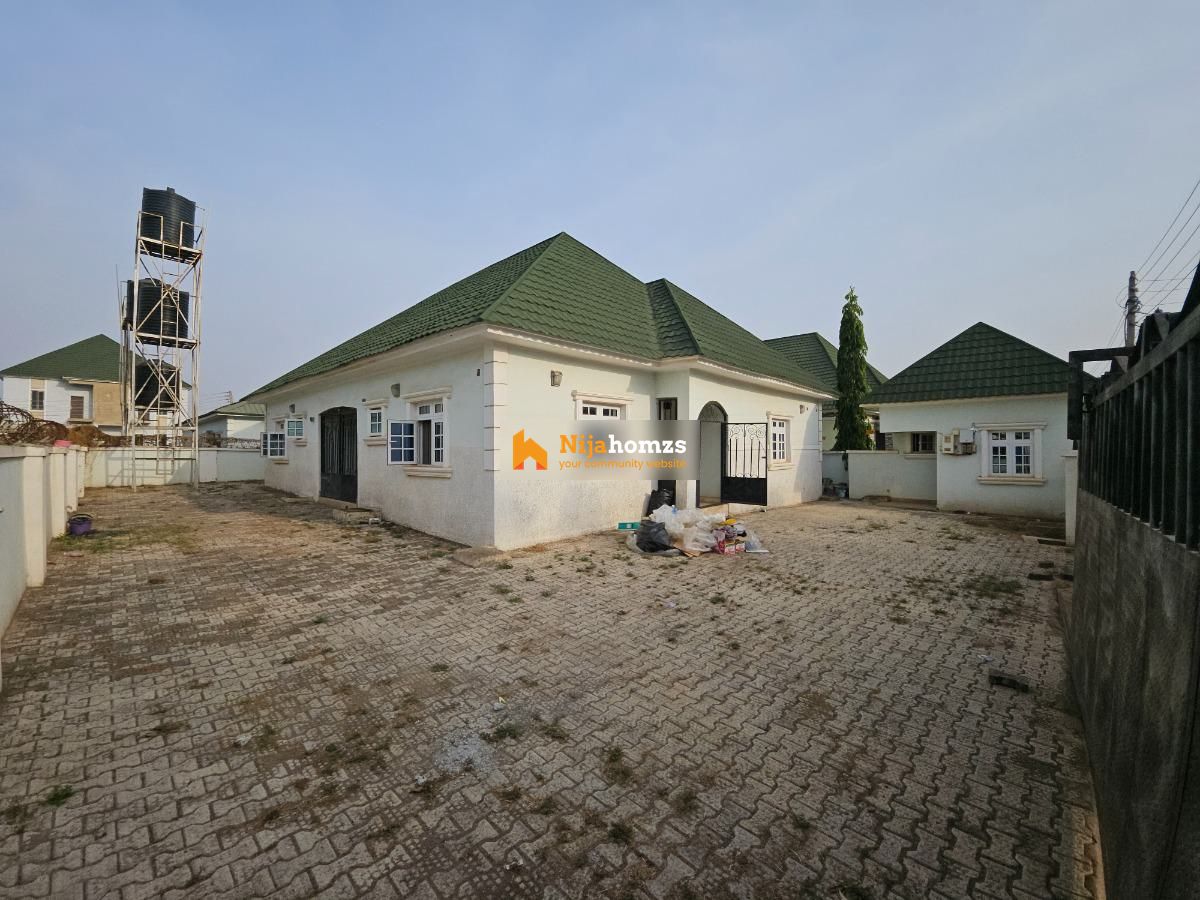
Property Details
Additional Features
Rental Terms
Payment Terms
About This Property
Tarred Roads: A Comprehensive Guide
Tarred roads, also known as asphalt roads, are a ubiquitous feature of modern infrastructure. This comprehensive guide explores the construction, maintenance, and environmental impact of these essential pathways.
Construction of Tarred Roads
The construction of a tarred road is a multi-stage process involving careful planning and execution. It typically begins with site preparation, including excavation, grading, and the compaction of the subgrade to ensure a stable foundation. This is followed by the laying of several layers:
- Subbase: A layer of compacted aggregate material, providing further stability and drainage.
- Base Course: A layer of crushed stone or other granular material, designed to distribute traffic loads.
- Binder Course: A layer of asphalt concrete, providing structural integrity and acting as a binder for the surface course.
- Surface Course (Wearing Course): The top layer of asphalt concrete, providing a smooth, durable riding surface resistant to wear and tear.
The specific materials and thicknesses of each layer vary depending on factors such as anticipated traffic volume, climate, and soil conditions. Modern road construction often incorporates advanced techniques to improve durability and longevity, such as using recycled materials and specialized asphalt mixes.
Maintenance of Tarred Roads
Regular maintenance is crucial to extending the lifespan of tarred roads and ensuring their safety. This includes:
- Pothole Repair: Addressing potholes promptly prevents further damage and improves road safety.
- Crack Sealing: Sealing cracks prevents water infiltration, which can lead to significant damage over time.
- Resurfacing: Applying a new layer of asphalt to worn-out surfaces restores the road's smoothness and extends its service life.
- Regular Inspections: Routine inspections help identify potential problems early, allowing for timely intervention and cost-effective repairs.
Environmental Impact of Tarred Roads
While essential for transportation, tarred roads have environmental implications. The production and use of asphalt involve energy consumption and greenhouse gas emissions. Furthermore, runoff from tarred roads can contaminate water sources with pollutants. However, sustainable practices are being increasingly adopted, such as using recycled materials in asphalt production and implementing improved drainage systems to mitigate environmental impact.
Types of Tarred Roads
Tarred roads aren't all the same. Different types exist, each suited to specific applications and traffic conditions. These include:
- Flexible Pavements: The most common type, relying on the flexibility of the asphalt layers to withstand traffic loads.
- Rigid Pavements (Concrete): While not strictly "tarred", often discussed in conjunction, these use concrete slabs instead of asphalt.
- Porous Asphalt: Designed to allow water to drain through the surface, reducing surface water runoff and improving drainage.
Conclusion
Tarred roads are a complex engineering marvel, crucial for modern society. Understanding their construction, maintenance, and environmental impact is essential for building sustainable and efficient transportation networks.
Contact Seller
Contact Seller
Share this listing
Scan to open the public listing page.
Explore This Area
Similar Properties in this Area
Looking for similar properties...